

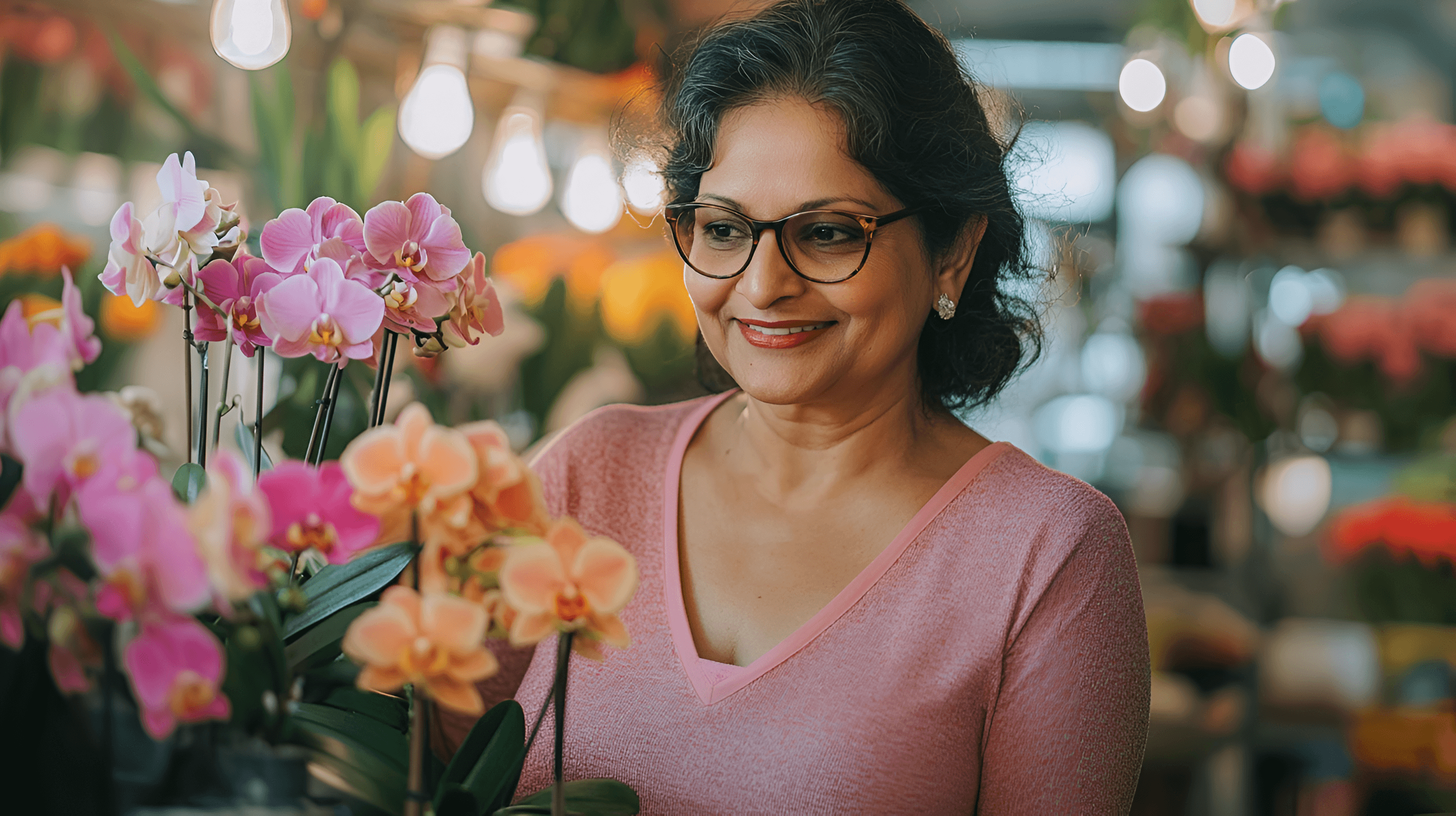
Bouquets play a central role in cultural and religious celebrations across the globe. Their beauty and symbolism bring people together, marking special occasions with elegance. From weddings to festivals, flowers enhance the atmosphere and convey meaningful messages.
In Indian weddings, floral garlands symbolize love and commitment, often exchanged between the bride and groom. In contrast, Hawaiian lei ceremonies use flower garlands to express respect and hospitality. These traditions highlight the universal appeal of floral arrangements.
Festivals like Japan’s Hanami celebrate cherry blossoms, attracting crowds to admire their fleeting beauty. Similarly, Mexico’s Día de los Muertos uses marigold bouquets to honor deceased loved ones. Flowers connect people to their heritage and beliefs.
Bouquets are also prominent in Western celebrations, such as bridal bouquets in weddings or wreaths for memorials. These arrangements add a personal touch to events. Their customization reflects the unique tastes and traditions of each culture.
Understanding the cultural significance of bouquets enriches their value as gifts and decorations. Incorporating traditional elements into floral designs shows respect and appreciation. Bouquets remain a timeless way to honor life’s milestones and cultural heritage.
Related Post

Wednesday, January 1, 2025
Eco-Friendly Bouquets: Sustainable Flower Arrangements
Learn how to create and purchase eco-conscious bouquets for a greener planet.

Wednesday, January 1, 2025
Why Bouquets Make the Perfect Gift
Explore the timeless appeal of bouquets as thoughtful and versatile presents.
Wednesday, January 1, 2025
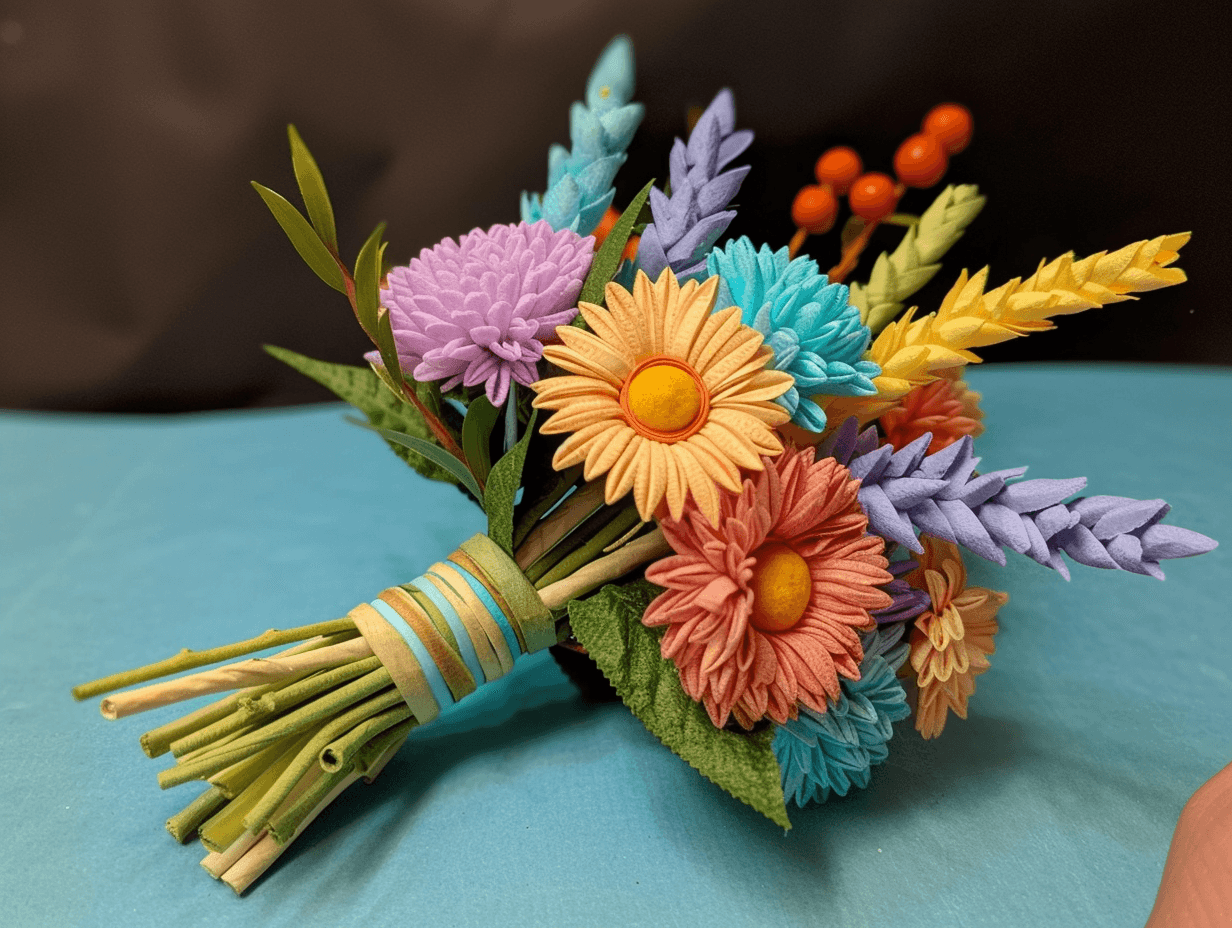
DIY Bouquets: How to Create Stunning Arrangements at Home
Master the art of crafting beautiful flower bouquets with simple, step-by-step guidance.